Finland's mineral wealth can drive economic growth
Member of Parliament Joona Räsänen emphasises Finland’s responsibility in raw material production and the need to strengthen the conditions for investment and higher-value-added production.
12. November 2026
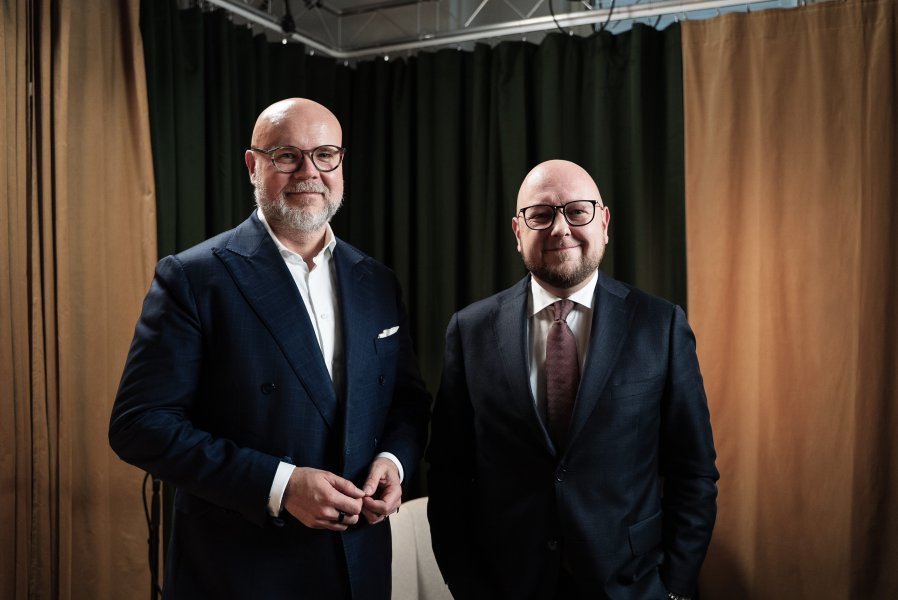
SDP Member of Parliament Joona Räsänen sees strengthening economic growth and employment as two of the most important tasks for Finland’s next government. As society becomes increasingly electrified, the mining and minerals industry has significant potential to contribute to economic growth. However, this requires a stable operating environment that encourages companies to invest.
Economic growth comes from investment and productivity
Räsänen highlights two key factors for Finland’s future economic growth: investment and productivity. In his view, Finland should attract more both domestic and foreign investment while finding ways to make better use of new technologies and commercialise innovations more effectively.
Electrification and new technologies are increasing the importance of minerals, but investments will only materialise if projects are commercially viable for companies and the regulatory environment remains predictable, without unexpected changes.
“Is the operating environment reliable enough to ensure that the rules of the game are not changed halfway through?” Räsänen says, describing one of the key considerations behind investment decisions.
Society can help accelerate investment through efficient permitting processes, sufficient availability of energy and electricity, and competitive taxation. Public debate around the mining industry often focuses heavily on environmental impacts. Räsänen, however, calls for an honest discussion about the relationship between consumption and production.
“If we want to benefit from the end products, we should also be honest in saying that it would be good for us to have some role in sourcing the raw materials as well. We cannot simply close our eyes and outsource this responsibility to other countries,” Räsänen says.
Taxation affects the willingness to invest
The competitiveness of the mining industry has recently been affected by several simultaneous policy decisions: an increase in the mining minerals tax, a higher electricity tax and the discontinuation of the electrification subsidy for industry.
Räsänen therefore takes a positive view of revisiting the structure of the mining minerals tax in the future to better reflect the industry’s operating conditions and economic cycles.
More efficient permitting is needed
One of the biggest obstacles slowing down investment is the lengthy permitting process. Currently, permitting often advances one decision at a time, with the possibility of appealing each individual decision. While the right to appeal is an important civil right, Räsänen believes there should be closer consideration of the stages of the permitting process at which appeals should be possible.
“For smaller projects, I have also considered whether it would be justified to discuss limiting the right to appeal to those parties that are directly affected by the project,” Räsänen says.
Räsänen points to the fast-track procedures that have become more common in Europe for critical minerals projects and considers whether similar procedures should also be introduced in Finland. He also raises the question of whether the wider societal significance of projects should be given greater consideration in permitting processes. For example, accelerating a billion-euro investment project can have a significant impact on the national economy.
Local acceptance is a fundamental requirement
Although minerals are needed globally, mining always takes place locally. Räsänen stresses that local acceptance is a fundamental requirement for mining projects. This requires companies to engage actively with stakeholders and have an open and frank discussion about their environmental footprint. When impacts are discussed transparently, it is also easier to highlight the importance of the mining industry to society as a whole.
According to Räsänen, Finland’s national mineral wealth should be utilised as responsibly as possible so that it creates broader economic benefits for the country. In practice, this means increasing the value added of minerals in Finland.
“Looking at this locally, for example in Lohja, you can see that Finland’s unique natural environment and the mining industry can coexist. Generally speaking, I believe Finland has room for both nature and mining,” Räsänen concludes.
The tenth episode of our podcast is titled “A national treasure beneath our feet: How does the SDP view the benefits of Finland’s minerals?” Listen to the episode on FMG’s YouTube channel.
What did you think of the episode? We would be happy to receive your feedback and ideas for topics and guests for future episodes.